ACTU

Pourquoi opter pour un gilet airbag pour la protection des cavaliers ?
Le gilet airbag d'équitation est devenu un élément indispensable pour les cavaliers soucieux de leur sécurité. Conçu pour se déployer instantanément lors d'une chute, il offre une protection accrue aux ...




GROSSESSE








MINCEUR
PROFESSIONNELS

Femme médecin généraliste : parcours et exercice de la médecine générale
La carrière d'une femme médecin généraliste s'inscrit dans un paysage médical en constante évolution. Embrassant à la fois le rôle de soignante, de conseillère et parfois de confidente, elle arpente ...




SANTÉ
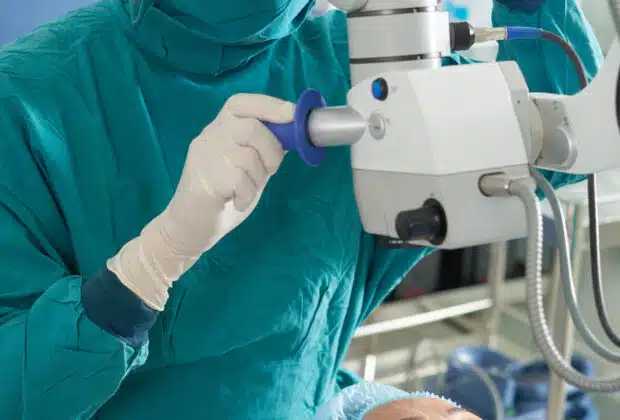
Les urgences ophtalmologiques à Paris de l’institut Daviel : de multiples avantages
Vous avez mal aux yeux ? Quelque chose obstrue votre vue ? Sentez-vous une quelconque gêne dans l’œil ? Plus besoin d’aller à l’hôpital, les urgences ophtalmologiques à ...Bien choisir ses bas de contention : les avantages d’un achat optimal
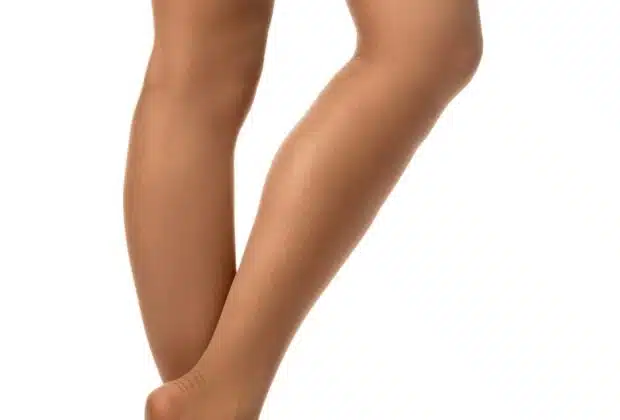
Le problème veineux est une pathologie qui touche aussi bien les hommes que les femmes. Sensation de jambes lourdes, œdème des chevilles ou des mollets, ...Consommation quotidienne de pastilles Vichy : limites et bienfaits
La consommation régulière de pastilles Vichy est souvent associée à la recherche de bienfaits digestifs grâce à leur riche composition en minéraux. Ces confiseries, emblématiques ...Découvrez Mirialis : avantages et fonctionnalités de la plateforme santé
Imaginons un monde où la gestion de la santé est simplifiée grâce à la technologie. Mirialis, une plateforme santé innovante, se trouve au cœur de ...